

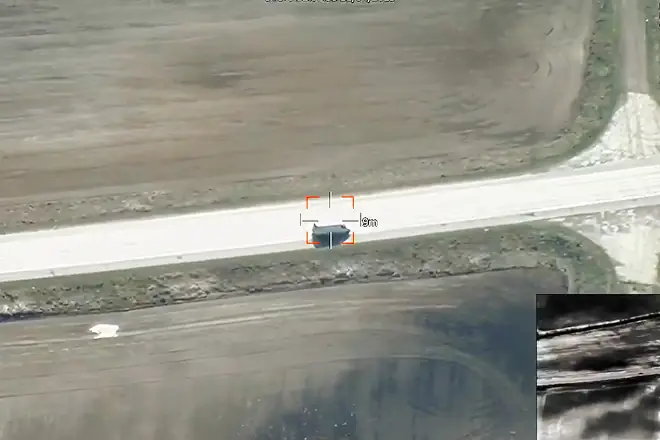

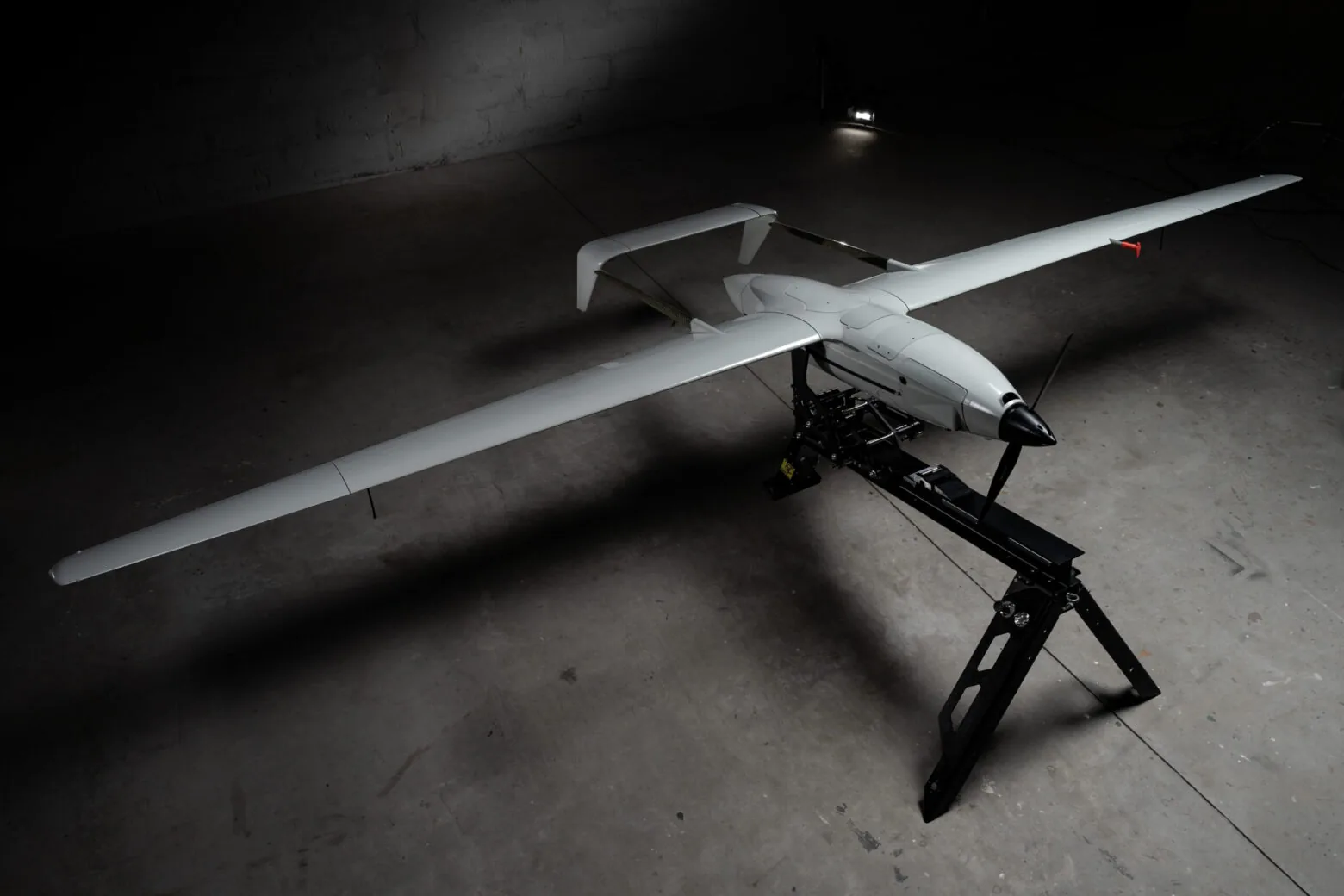
A hybrid version of the Skyeton’s unmanned aerial vehicle (UAV), featuring an electric motor powered by a hydrogen fuel cell, has entered full-scale combat duty with a unit of the Ukrainian Defense Forces. Since December 2025, as part of interagency testing, the unmanned aircraft has been performing missions in the combat zone.
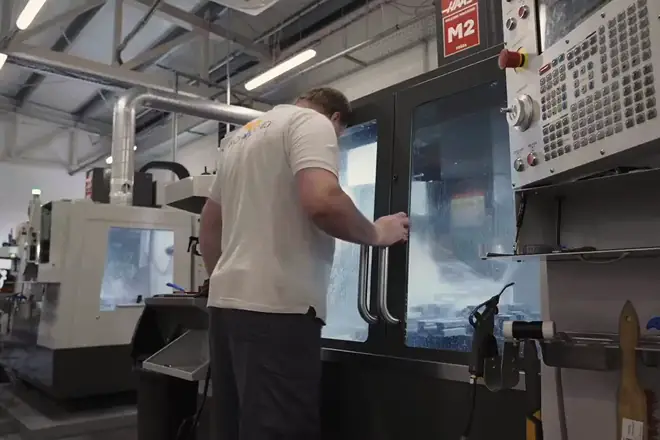
To utilize hydrogen effectively, Skyeton engineers developed a new airframe architecture for the Raybird, adapted for the integration of the new fuel system. The new design was created to distribute space and weight for the hydrogen power system properly and has been optimized for the mass production of this UAV variant.
The Raybird UAS is used for long-range reconnaissance missions. By utilizing hydrogen-electric propulsion, the platform offers enhanced operational efficiency and environmental benefits for both defense and civilian applications.
The mass-produced Raybird, which runs on an internal combustion engine (ICE), allows for a flight endurance of over 28 hours. As of January 2026, the hybrid version of the drone can remain airborne for approximately 12 hours.
Roman Knyazhenko, CEO of Skyeton: “We have converted two years of laboratory testing into a new aircraft concept: it is the same class and weight, but a completely redesigned concept based on electric propulsion. Hydrogen fuel is a solution that allows us to combine all the advantages of an electric motor – high reliability, power, and ease of maintenance – with the long-duration continuous flight that is a hallmark of our UAV. Maintaining a balance of these characteristics is vital for us, as the Raybird performs complex deep reconnaissance tasks using high-tech payloads, and the average duration of such missions exceeds 10 hours.”
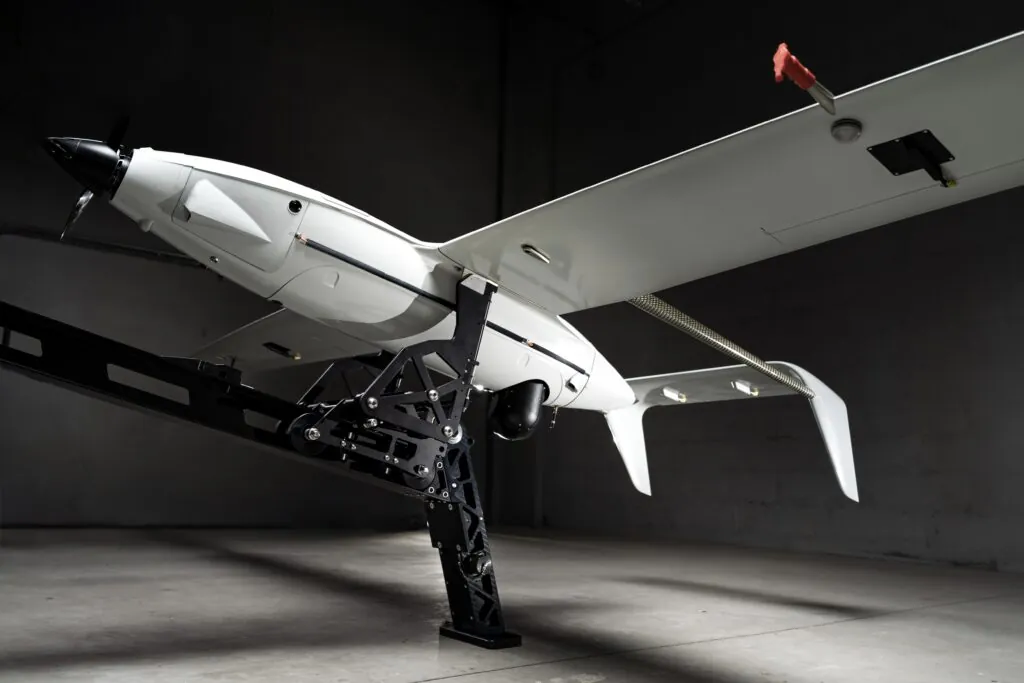
In addition to the advantages of an electric motor and the long-endurance capabilities provided by hydrogen, the new Raybird:
- Has a negligible thermal signature, as the electric motor generates significantly less heat than an ICE;
- Features a higher operational altitude range;
- Is significantly quieter than its ICE counterpart.
During the R&D phase of the hydrogen hybrid project, Skyeton engineers resolved several issues that had complicated stable operation under various conditions, specifically:
- Climate Resilience: For the combat missions typically assigned to the Raybird, the company ensured the hydrogen-hybrid power plant can operate in the environment as effectively as the ICE version. Both versions of the UAV function in any climate within a temperature range of -35°C to +55°C (-31°F to 131°F).
- Hydrogen Permeability: To address this, they implemented solutions to improve connections, pressure reduction, and the overall ergonomics for the Raybird UAS operator.
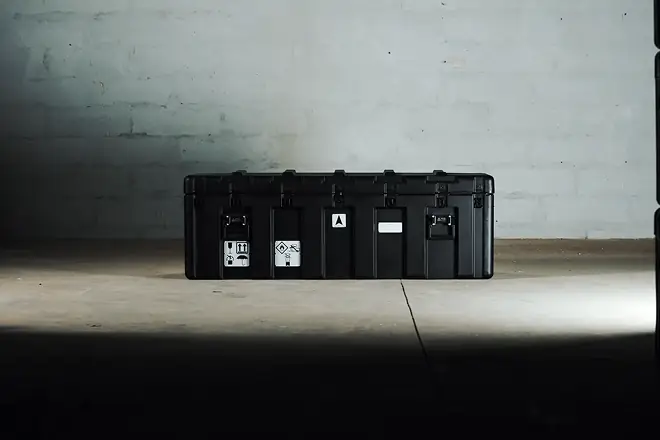
- Infrastructure and Logistics: Skyeton will provide the hybrid Raybird (ACS-3) as a ready-made, self-sufficient solution. There are two scenarios: a) the unit receives pre-filled tanks and swaps them like cartridges; b) the unit receives a compact mobile unit that produces hydrogen on-site as needed.
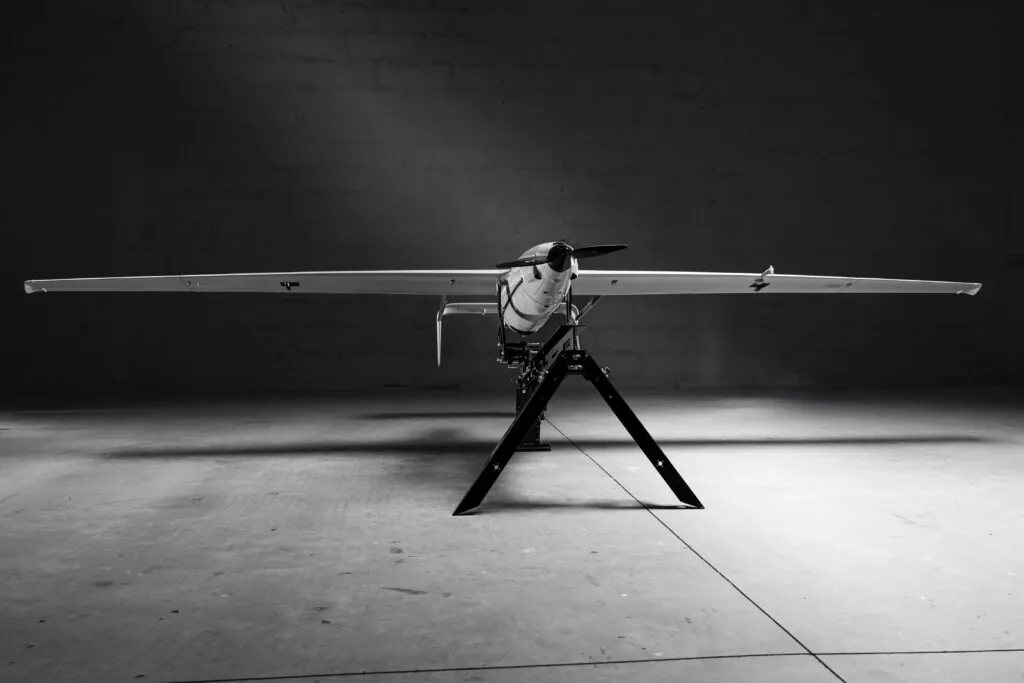
Skyeton engineers are currently focused on increasing the hybrid Raybird’s flight endurance to 20 hours. The hydrogen fuel cell drone is currently preparing for the codification process to enable broader adoption by units of the Ukrainian Defense Forces.